Internet of Things Guide: Must-Have Tips for Effortless Growth
The internet of things guide is essential reading for anyone looking to harness the power of connected devices and accelerate their growth effortlessly. As IoT continues to expand its footprint across industries and households, understanding the practical steps to implement, manage, and scale IoT solutions becomes crucial. Whether you are a business professional, developer, or enthusiast, this guide offers vital insights and actionable tips that can help you navigate the complex world of IoT with confidence.
Understanding the Internet of Things and Its Potential
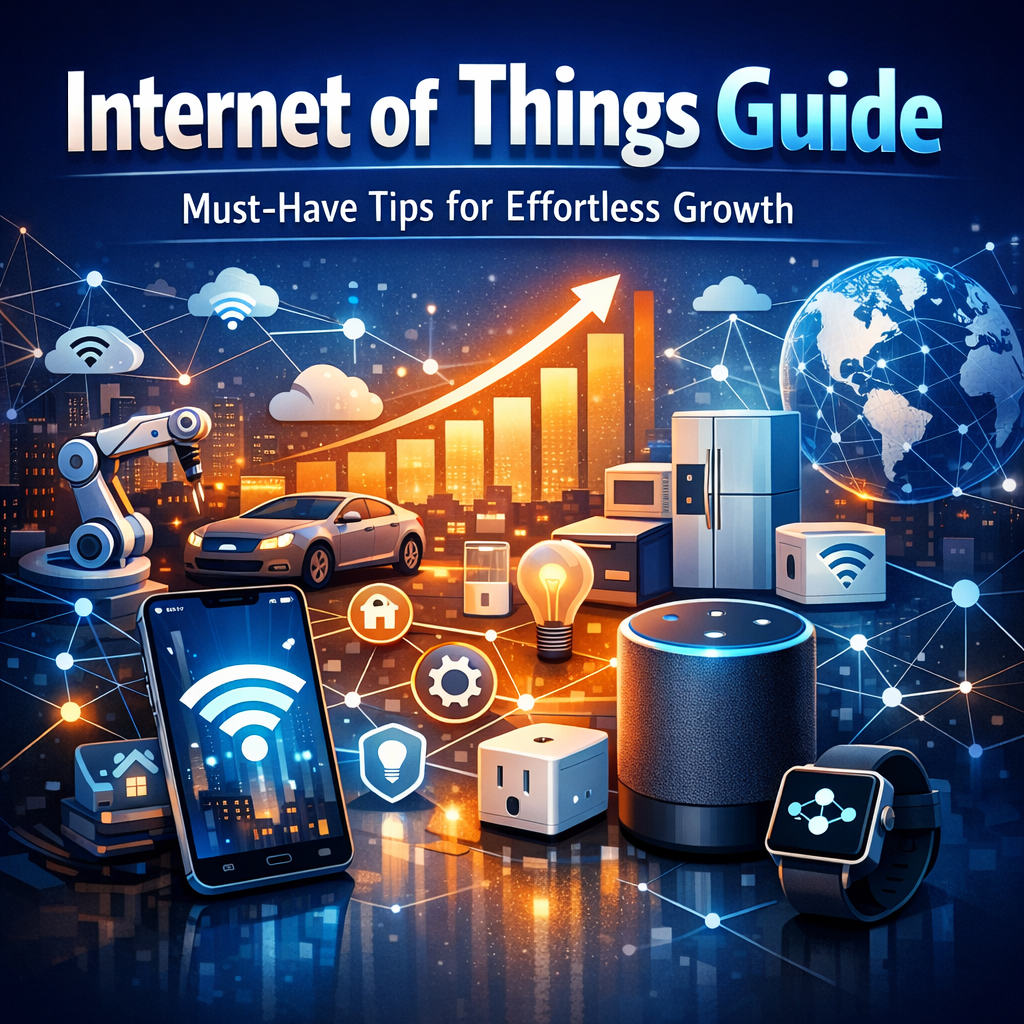
Before diving into growth strategies, it’s important to have a clear understanding of what the Internet of Things (IoT) actually entails. At its core, IoT refers to the network of physical objects embedded with sensors, software, and connectivity, allowing them to collect and exchange data. These connected devices range from smart home gadgets like thermostats and security cameras to industrial machines and city infrastructure.
IoT’s potential lies in its ability to provide real-time data, improve operational efficiency, automate routine tasks, and generate new business models. However, tapping into this potential requires more than just plugging in devices; it demands a thoughtful approach centered around scalability, security, and user experience.
Key Tips from an Internet of Things Guide for Seamless Expansion
1. Start with Clear Objectives and Use Cases
One of the biggest mistakes in IoT projects is jumping in without well-defined goals. The internet of things guide emphasizes the importance of identifying specific use cases that bring tangible value to your organization or users. For instance, if you manage a warehouse, focus on IoT solutions that streamline inventory tracking or improve equipment monitoring.
Clear objectives not only justify the investment but also guide technology choices and project design, ensuring the IoT system addresses real problems instead of becoming a novelty.
2. Prioritize Interoperability from Day One
The IoT ecosystem is highly fragmented, with countless devices, software platforms, and communication protocols. To avoid future headaches, make interoperability a priority. Choose hardware and software that can easily integrate with existing systems and support common standards such as MQTT, CoAP, or RESTful APIs.
This approach enhances flexibility, allowing you to add or swap components as your needs evolve. It also ensures your IoT infrastructure can grow without significant rework, keeping costs and complexity in check.
3. Build Scalability into Your IoT Architecture
Effortless growth requires an IoT architecture designed for scalability. This means using cloud services that can dynamically scale storage, processing power, and analytics capabilities as more devices join the network. Platforms like AWS IoT, Azure IoT Hub, or Google Cloud IoT offer scalable, managed services tailored for IoT workloads.
Consider the data flow carefully—implement edge computing where appropriate to reduce latency and bandwidth usage by processing data locally before sending it to the cloud. This hybrid approach balances speed and scalability effectively.
4. Implement Robust Security Measures
Security can make or break your IoT project. Connected devices often have limited processing capabilities, making traditional security methods unsuitable. The internet of things guide stresses adopting a layered security framework that includes device authentication, encrypted communications, and continuous monitoring.
Regularly update firmware and patch vulnerabilities promptly. Secure your data storage and ensure compliance with regulations such as GDPR or HIPAA, depending on your industry. Failure to address security risks can result in data breaches, costly downtime, and loss of user trust.
5. Focus on User Experience and Usability
IoT solutions are only as good as their impact on end-users. Whether those users are customers or employees, their experience can determine the success of your implementation. Design intuitive interfaces, offer mobile apps or dashboards with actionable insights, and provide seamless onboarding and support.
Gather feedback regularly and iterate on the solution to enhance usability. A positive user experience drives adoption, resulting in more data and further improvements — a virtuous cycle for growth.
6. Leverage Data Analytics for Continuous Improvement
The data IoT devices generate is a goldmine for optimizing operations and identifying new opportunities. Incorporate advanced analytics and machine learning tools to uncover patterns, predict maintenance needs, or personalize services.
Integrate IoT data with other business intelligence systems for a comprehensive view, enabling smarter decision-making and strategic growth initiatives. Remember, data without analysis is just noise, so invest in the right tools and expertise.
Final Thoughts: A Roadmap to IoT Success
An effective internet of things guide highlights that growth in IoT doesn’t happen by chance. It requires deliberate planning, attention to detail, and ongoing management. By aligning your projects with clear objectives, prioritizing interoperability and security, and focusing on user experience and analytics, you can build an IoT ecosystem that scales effortlessly and delivers real value.
As IoT technology evolves, staying informed about emerging trends and continuously refining your approach will keep you ahead in this dynamic landscape. Embrace these must-have tips and turn your IoT aspirations into sustainable success.