AI Marketing Tools: The Ultimate Must-Have Guide for Business Developers
AI marketing tools have become indispensable in the modern business landscape, offering powerful solutions to optimize strategies, personalize customer experiences, and maximize return on investment. For business developers aiming to stay ahead of the competition, understanding how to leverage these advanced tools is essential. This guide explores the benefits, key types, and best practices for integrating AI marketing tools into your growth strategy.
Why AI Marketing Tools Are Essential for Business Development
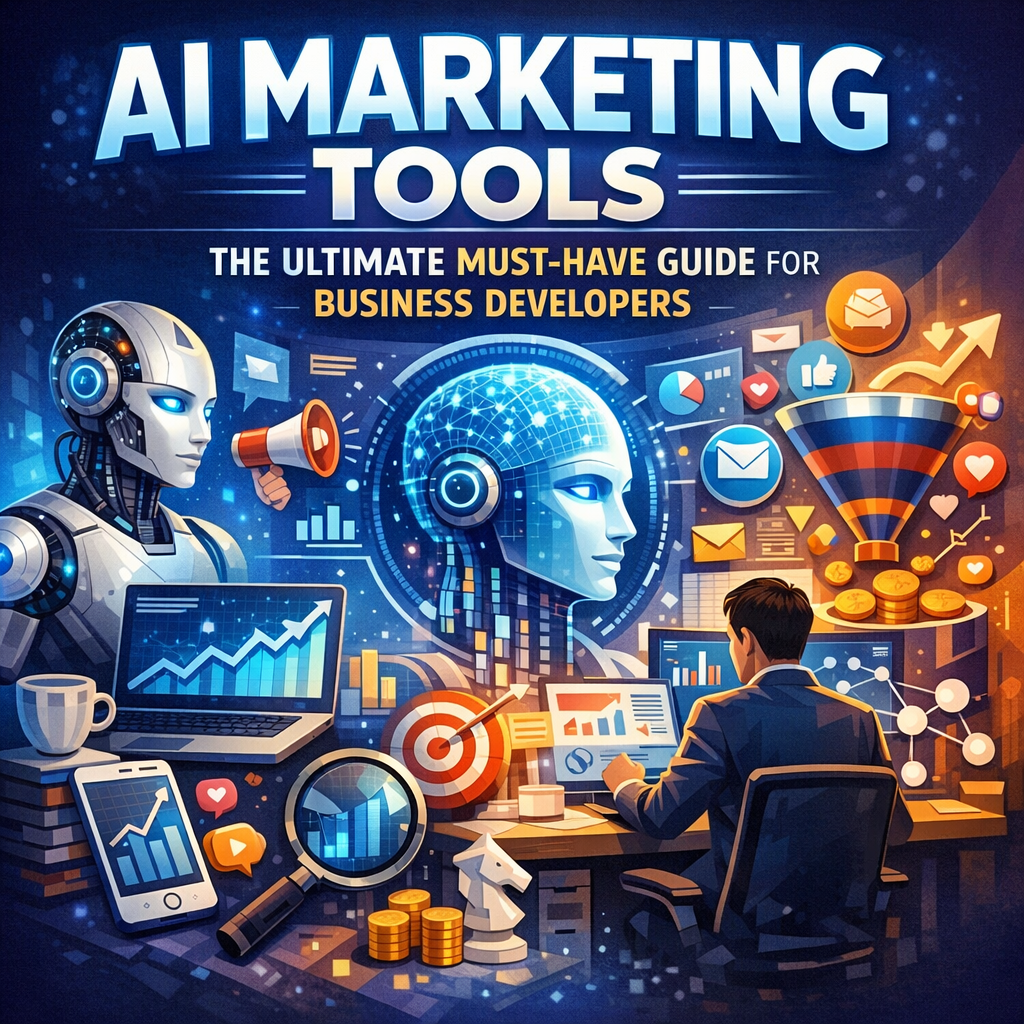
In today’s data-driven world, marketing success hinges on accurate insights, timely execution, and efficient resource allocation. AI marketing tools provide the capability to analyze vast amounts of data quickly, identify patterns, and automate repetitive tasks that would otherwise consume valuable time.
With AI, business developers can:
– Enhance Customer Targeting: AI algorithms can segment audiences with unparalleled precision, allowing developers to craft highly targeted campaigns.
– Predict Market Trends: Machine learning models help forecast customer behavior, enabling proactive strategy adjustments.
– Automate Routine Tasks: From email campaigns to social media management, AI automates time-intensive activities to free up resources.
– Optimize Content Creation: Natural Language Processing (NLP) tools generate and suggest content that resonates with specific demographics.
These advantages translate into smarter, faster decisions and more effective marketing efforts overall.
Key Types of AI Marketing Tools Every Business Developer Should Know
Understanding the variety of AI marketing tools available helps business developers choose the right solutions tailored to their unique needs.
1. AI-Powered Analytics Platforms
These tools analyze customer data, website metrics, and campaign performance to deliver actionable insights. Platforms like Google Analytics with AI enhancements or specialized solutions like HubSpot’s AI-driven analytics enable real-time monitoring and predictive analytics.
2. Chatbots and Conversational AI
Automated chatbots powered by AI provide instant customer support, capture leads, and streamline communication. Tools such as Drift or Intercom use natural language understanding to interact intelligently, improving customer engagement and reducing operational costs.
3. Content Generation and Optimization Tools
AI writing assistants like Jasper or Copy.ai help generate blog posts, social media content, and ad copy. These tools leverage machine learning to create relevant, compelling content while also offering optimization suggestions for SEO and readability.
4. Programmatic Advertising Platforms
Programmatic AI tools automate the buying of digital ads in real-time, targeting specific audiences based on behaviors and preferences. Google Ads and The Trade Desk exemplify platforms that use AI to optimize bidding strategies and ad placements for maximum efficiency.
5. Email Marketing Automation
AI-enhanced email marketing tools analyze recipient behavior to send personalized content at the right time. Platforms like Mailchimp and ActiveCampaign utilize AI to improve open rates, click-throughs, and conversions by tailoring subject lines and suggestions.
How to Choose the Right AI Marketing Tools for Your Business
Selecting AI marketing tools can be daunting given the myriad options available. Business developers should consider several factors to make informed decisions:
– Business Goals: Define what you want to achieve—whether that’s boosting lead generation, enhancing customer engagement, or managing campaigns more effectively.
– Data Integration: Opt for tools that can seamlessly integrate with your existing CRM, CMS, and analytics platforms.
– Ease of Use: The tool should be user-friendly, allowing your team to adopt it quickly without steep learning curves.
– Scalability: Choose tools that can grow with your business and adapt to changing marketing needs.
– Budget: Balance features and price to get the best return on investment.
Testing tools with free trials or demos before committing can also provide valuable insights into their practicality for your operations.
Best Practices for Implementing AI Marketing Tools
Adopting AI marketing tools requires more than just purchase—it demands strategic planning and continuous optimization.
– Start Small, Scale Gradually: Begin with a single tool or feature to familiarize your team before expanding usage.
– Train Your Team: Ensure your marketing and sales teams understand how to use AI tools effectively.
– Focus on Data Quality: AI is only as good as the data fed into it. Maintain clean, accurate data to get the best insights.
– Monitor and Adjust: Regularly track tool performance and user feedback to refine processes.
– Combine AI with Human Creativity: While AI excels at data-driven tasks, human insight remains critical for creating emotionally resonant campaigns.
The Future of AI Marketing Tools in Business Development
As AI technology evolves, marketing tools are becoming more sophisticated, intuitive, and accessible. The integration of AI with other emerging technologies like augmented reality (AR), virtual reality (VR), and voice search will open new avenues for business developers to engage customers.
Organizations that stay ahead by embracing AI marketing tools will not only drive growth efficiently but also deliver richer, more personalized experiences that build lasting customer loyalty.
—
AI marketing tools are revolutionizing how businesses connect with their audiences and grow competitively. By understanding the different types of tools available, choosing wisely based on your business needs, and following best practices for implementation, business developers can harness AI’s full potential to transform their marketing efforts and achieve remarkable results.