Internet of Things Guide: Exclusive Insights for Big Data Analytics Industry
The internet of things guide is a crucial resource for businesses and professionals navigating the intricate relationship between connected devices and big data analytics. As the Internet of Things (IoT) continues to expand at a breathtaking pace, generating massive volumes of data, the big data analytics industry faces both remarkable opportunities and complex challenges. Understanding how these two dynamic fields intersect can unlock powerful insights, enhance decision-making, and drive innovation across various sectors.
Understanding the Internet of Things and Its Data Explosion
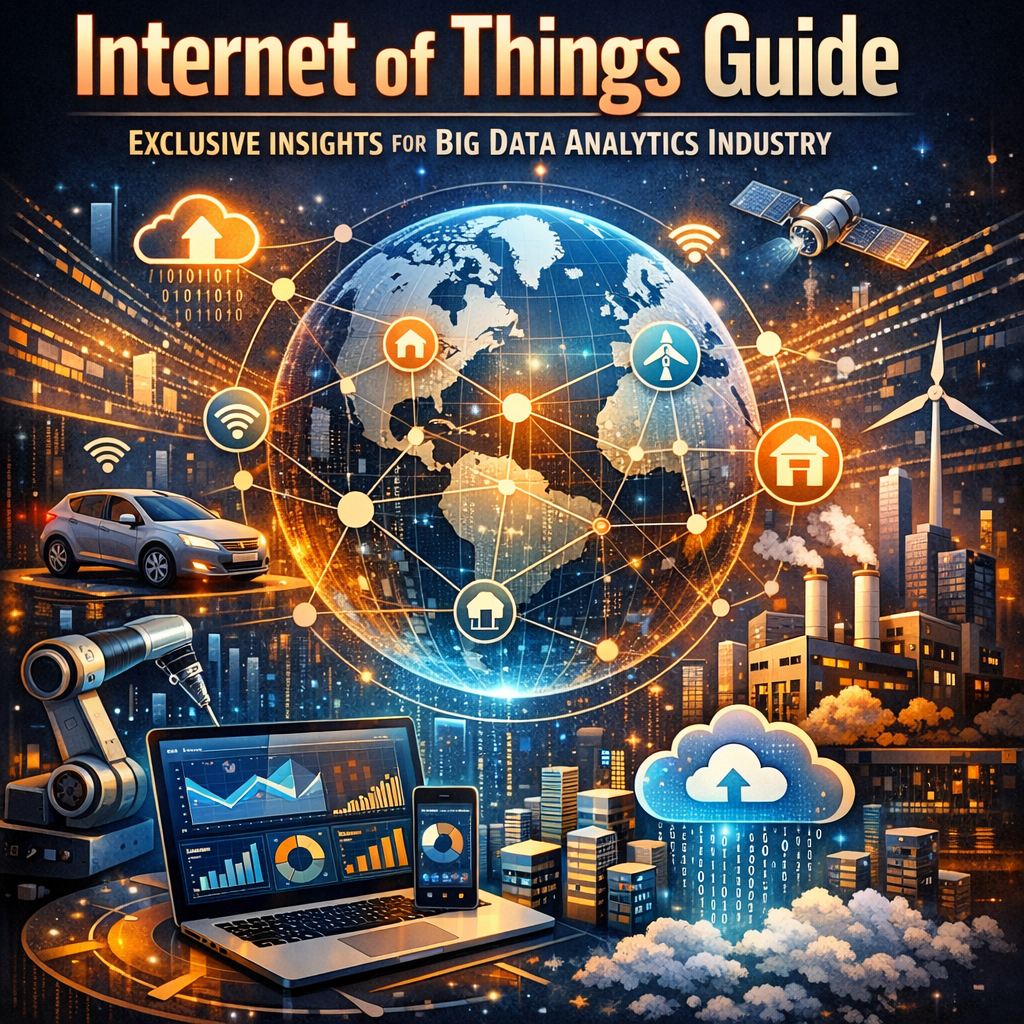
At its core, the internet of things refers to the network of physical devices—ranging from home appliances and wearables to industrial sensors and smart vehicles—embedded with sensors, software, and connectivity that enable them to collect and exchange data. The proliferation of these IoT devices has led to an unprecedented surge in data production. According to estimates, IoT devices will generate over 79.4 zettabytes of data globally by 2025.
This colossal amount of information requires sophisticated big data analytics tools to process, analyze, and derive actionable intelligence. Thus, this internet of things guide emphasizes the synergy between IoT-generated data and analytics frameworks that enable organizations to harness the full potential of their connected ecosystems.
Key Challenges in Big Data Analytics for IoT
While IoT opens up new frontiers in data collection, it also presents several challenges for big data analytics that stakeholders must address:
1. Data Variety and Volume
IoT devices produce a wide variety of data types—structured, semi-structured, and unstructured—from video feeds to sensor readings and textual logs. Managing and storing such diverse datasets at scale demands flexible and robust architecture.
2. Real-Time Processing
Many IoT applications require real-time or near-real-time analytics to react promptly to environmental changes or operational anomalies. Traditional batch processing methods often fall short, making stream processing and edge analytics critical.
3. Data Quality and Trustworthiness
Ensuring accuracy and reliability of the data coming from IoT sensors is vital. Noisy or faulty data can lead to misleading insights and poor business decisions. Implementing strong validation and cleansing mechanisms is necessary.
4. Security and Privacy Concerns
IoT devices generate sensitive data, frequently in personal or critical infrastructure contexts. Protecting this information from breaches while complying with regulatory requirements is a persistent concern.
How Big Data Analytics Enhances IoT Capabilities
Big data analytics does more than just handle large datasets; it transforms raw IoT data into valuable insights, providing businesses with competitive advantages. Here are some fundamental ways analytics empowers IoT systems:
Predictive Maintenance
By analyzing data from connected machinery and equipment, companies can predict failures before they happen. This minimizes downtime and reduces maintenance costs.
Improved Customer Experience
IoT-enabled devices, such as smart home systems or wearable health trackers, generate data that helps tailor personalized services and enhance user satisfaction.
Optimized Operations
Manufacturing lines, supply chains, and energy grids benefit from real-time monitoring and data-driven optimization, increasing efficiency and lowering operational risks.
New Revenue Streams
Big data insights reveal patterns and opportunities that can be monetized, such as generating targeted offers based on consumer behavior or enabling smarter energy consumption plans.
Recommendations for Implementing an Effective Internet of Things Guide for Analytics
For organizations looking to harness the full power of IoT data with big data analytics, the following best practices will prove invaluable:
1. Invest in Scalable Infrastructure
Cloud computing and distributed storage systems enable handling the massive volumes of IoT data dynamically while providing the computational resources necessary for analytics workloads.
2. Leverage Edge Analytics
Processing data closer to where it is generated reduces latency, lowers bandwidth costs, and enhances privacy and security, making edge computing a vital component of modern IoT architectures.
3. Adopt Advanced Analytics Techniques
Machine learning, AI algorithms, and anomaly detection models help uncover deeper insights and automate decision-making processes from complex IoT datasets.
4. Ensure Interoperability and Standardization
Using open standards and interoperable platforms reduces integration challenges among diverse IoT devices and data formats, facilitating smoother data aggregation and analysis.
5. Prioritize Security and Compliance
Implement end-to-end encryption, authentication protocols, and regular audits to safeguard data integrity and comply with regulations such as GDPR, HIPAA, or industry-specific standards.
Future Outlook: The Evolving Intersection of IoT and Big Data Analytics
The evolution of IoT and big data analytics is powered by advances in 5G connectivity, AI, and edge computing technologies. With increasing adoption in sectors like healthcare, agriculture, smart cities, and automotive, the internet of things guide must continue to evolve to address emerging use cases and challenges.
In the near future, we can expect even deeper integration of AI-driven analytics with IoT systems, enabling predictive, autonomous, and optimized operations across industries, driving digital transformation on an unprecedented scale.
Conclusion
This comprehensive internet of things guide highlights that the fusion of IoT and big data analytics is a game-changer for businesses worldwide. By understanding the challenges and adopting best practices, organizations can turn their IoT-generated data into meaningful insights and actionable intelligence. Embracing these technologies thoughtfully enables companies to innovate, optimize, and deliver superior value in a connected world. As IoT ecosystems grow more complex, staying informed through such guides will be critical to leveraging their potential fully.