Smart Technology Guide: The Ultimate Must-Have AI Marketing Tools Guide
In today’s fast-paced digital landscape, staying ahead of the competition is crucial for any business, and leveraging the right resources can make all the difference. This smart technology guide aims to equip marketers with the ultimate list of must-have AI marketing tools that can transform strategies, boost efficiency, and enhance customer engagement. Artificial intelligence (AI) is no longer a futuristic concept but a present-day reality that is reshaping marketing campaigns by automating tasks, providing deep insights, and enabling personalization at scale.
Whether you’re a seasoned marketing professional or just stepping into the world of digital marketing, understanding these tools will help you optimize your efforts and deliver outstanding results.
Why You Need AI Marketing Tools: A Smart Technology Guide Overview
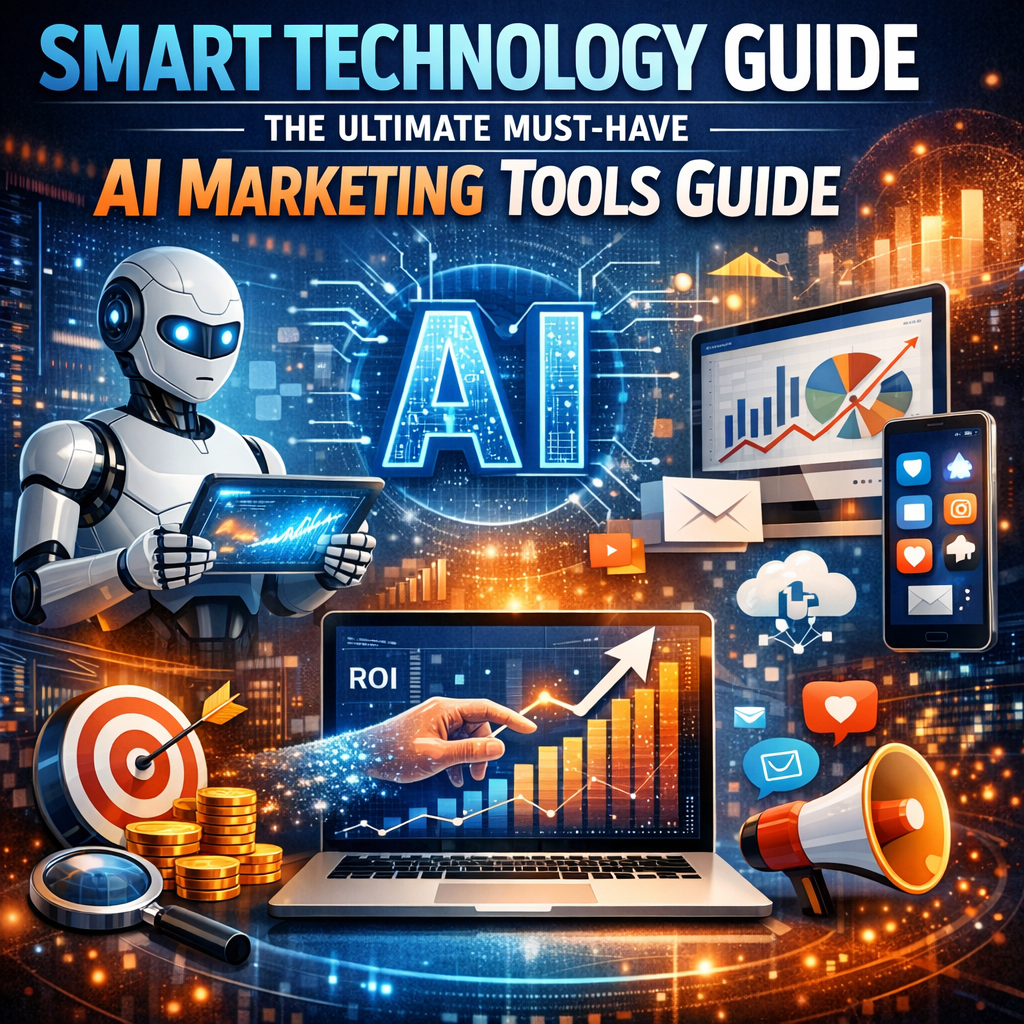
Before diving into the essentials, it’s important to recognize why integrating AI-driven tools is no longer optional but necessary. AI marketing tools harness machine learning, natural language processing, and data analytics to crunch vast amounts of information quickly, offering actionable insights. This leads to better audience targeting, improved resource allocation, and dynamically tailored content that resonates with individual users.
Traditional marketing strategies often rely on guesswork or manual data analysis, which can be time-consuming and less accurate. AI tools, on the other hand, streamline processes such as campaign automation, performance tracking, and customer segmentation, empowering marketers to make informed decisions swiftly.
Top AI Marketing Tools Every Marketer Should Know
1. Customer Relationship Management (CRM) with AI Capabilities
Managing customer relationships is fundamental, and AI-enhanced CRMs like HubSpot and Salesforce Einstein bring automation and predictive analytics to the table. These platforms help monitor customer interactions, score leads based on engagement likelihood, and suggest personalized outreach techniques. The intelligence built into the software personalizes communication in real-time, improving conversion rates and customer loyalty.
2. AI-Powered Content Creation
Content is king, and AI tools such as Copy.ai, Jasper, and Writesonic enable marketers to quickly generate compelling blog posts, social media updates, product descriptions, and more. These platforms utilize natural language generation (NLG) to create well-structured content tailored to your brand voice, saving you hours of writing time and fostering consistent messaging across channels.
3. Intelligent Email Marketing Platforms
Email marketing continues to be a powerful channel, but AI takes it to the next level. Platforms like Mailchimp and Sendinblue incorporate AI to analyze subscriber data, optimize send times, and craft subject lines with the highest open rates. Predictive analytics also suggest product recommendations based on past behavior, enhancing engagement and driving sales.
4. Social Media Management and Analytics
Tools such as Hootsuite Insights and Sprout Social use AI to monitor social discussions, sentiment, and trending topics relevant to your brand. The AI algorithms detect patterns and suggest best-performing content times, enabling you to schedule posts strategically. These insights not only save time but also improve brand visibility and audience rapport.
5. Programmatic Advertising Platforms
Programmatic advertising leverages AI to automate the buying of ad space, targeting audiences with precision. Platforms like Google Ads and The Trade Desk use real-time bidding and machine learning to optimize ad placements, budgets, and creative materials. This reduces wasted spend and ensures ads reach the right customers at just the right moment.
How to Choose the Right AI Marketing Tools: Insights from the Smart Technology Guide
With so many options available, it’s important to select tools that align with your specific goals, budget, and company size. Consider the following factors when making your choice:
– Ease of Integration: Choose AI tools that seamlessly integrate with your existing software stack to avoid costly disruptions.
– User-Friendly Interface: Tools with intuitive dashboards and clear analytics make it easier for your team to adopt and utilize effectively.
– Scalability: Pick platforms that can grow alongside your marketing needs, offering advanced features as your strategy evolves.
– Data Security: Ensure the tools comply with data privacy regulations to protect both your business and customers.
– Customer Support and Training: Opt for providers that offer training resources and responsive support to maximize return on investment.
Experimenting with free trials or demo versions can be a low-risk way to gauge whether a particular AI marketing tool is the right fit for your business.
Future Trends in AI Marketing Tools to Watch
The AI marketing landscape continues to evolve, with emerging technologies promising even greater innovation:
– Conversational AI and Chatbots: Chatbots are becoming more sophisticated, offering natural, context-aware customer service that enhances the buyer journey.
– Voice Search Optimization: As smart speakers grow in popularity, optimizing content for voice search will become essential.
– Visual Recognition and Augmented Reality: AI-driven image recognition can personalize ads based on user-uploaded photos, while AR-enhanced marketing offers immersive brand experiences.
– Hyper-Personalization: AI will increasingly enable one-to-one marketing at scale, tailoring every interaction uniquely.
Staying up-to-date with these advancements ensures that your marketing remains competitive and relevant.
Conclusion
This smart technology guide highlights the transformative impact of AI marketing tools that can drive efficiency, creativity, and effectiveness. By incorporating these intelligent solutions into your marketing strategy, you empower your team to achieve more with less effort, reach audiences more precisely, and deliver impactful messages that convert.
Embracing AI is no longer a choice between the future and the present—it’s about leveraging cutting-edge technology today to build smarter, more sustainable marketing practices that will pay dividends tomorrow. Start exploring the tools mentioned here and watch how your campaigns become more dynamic, data-driven, and successful than ever before.