Startup Automation: Must-Have Tools for Best Growth Success
In the rapidly evolving business landscape, startup automation has emerged as a game changer for new ventures aiming to scale efficiently and sustainably. Startups often operate with limited resources and time, making it crucial to streamline repetitive tasks and optimize operational workflows. By leveraging automation tools, startups can not only save valuable hours but also improve accuracy, enhance customer experiences, and free up their teams to focus on strategic growth activities.
This article explores essential startup automation tools that every entrepreneur should consider to fuel best growth success. Whether you’re managing sales, marketing, customer support, or internal processes, the right automation solutions can transform your startup’s trajectory.
Why Startup Automation is Essential for Growth
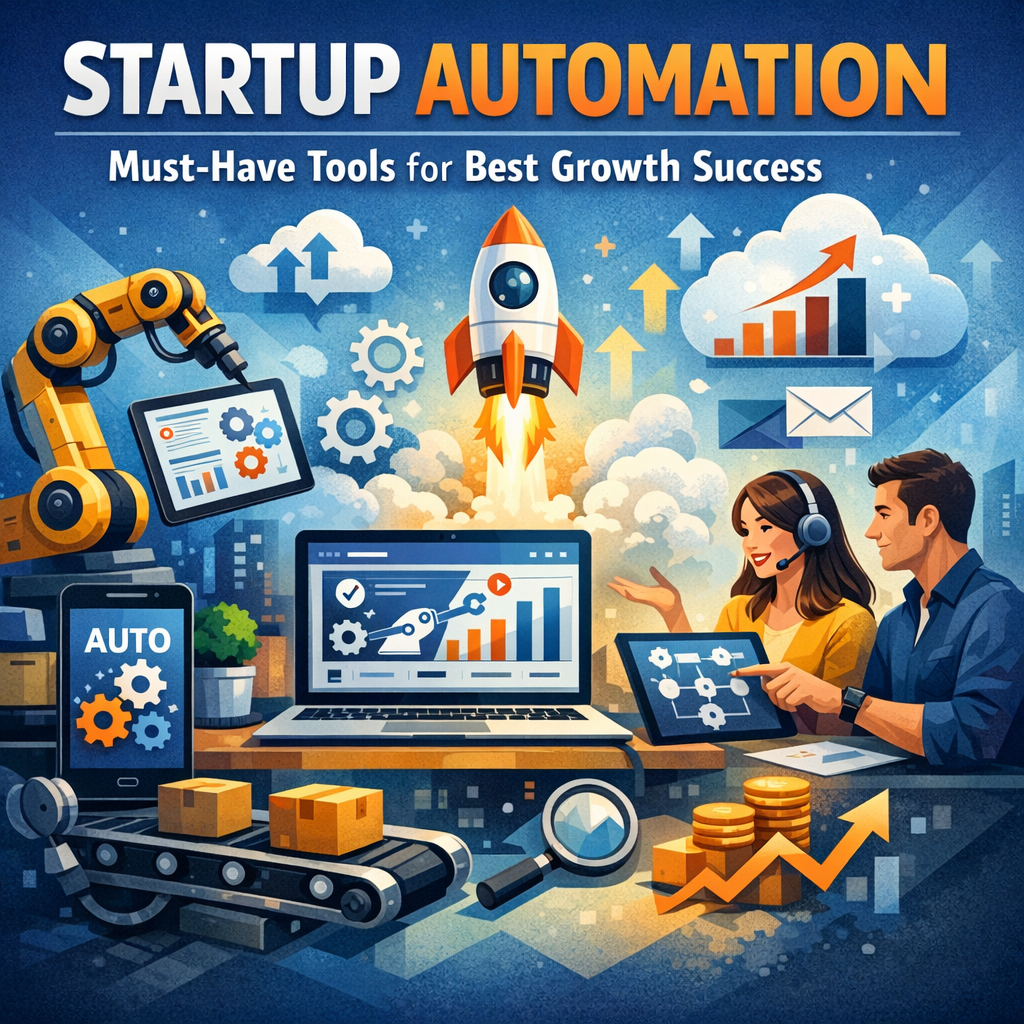
Startup automation refers to using software and technology to automate routine tasks and workflows within a young business. From lead generation and email marketing to invoicing and project management, automation reduces manual efforts and the risk of human error.
For startups, this means:
– Increased efficiency: Automate repetitive tasks so your team spends more time on innovation and product development.
– Cost savings: Reduce the need to hire for every function by streamlining processes.
– Scalability: Implement systems that can grow with your customer base.
– Better data management: Automate data collection and reporting for smarter decision-making.
Implementing automation early helps your startup build a solid foundation for growth and responsiveness, especially in competitive markets.
Key Areas of Startup Automation
Understanding which parts of your business to automate is the first step. Here are some core areas where startup automation can make a significant impact:
1. Marketing and Lead Generation
2. Sales and Customer Relationship Management (CRM)
3. Customer Support and Engagement
4. Finance and Invoicing
5. Operations and Project Management
Below, we dive into must-have tools in these categories designed specifically for emerging startups.
Must-Have Startup Automation Tools for Best Growth Success
Marketing Automation Tools
Effective marketing is vital for attracting and nurturing leads. Marketing automation platforms help startups schedule social media posts, send personalized email campaigns, and track user behavior—all automatically.
– HubSpot: Offers a comprehensive marketing suite with email automation, landing pages, and analytics.
– Mailchimp: An easy-to-use platform for building email lists and automating drip campaigns.
– Buffer or Hootsuite: Schedule and analyze social media posts across multiple channels without constant manual input.
These tools free your marketing team from repetitive tasks and help maintain consistent engagement.
Sales and CRM Automation
Tracking leads and managing customer relationships manually can slow your growth. CRM automation tools streamline sales pipelines, automate follow-ups, and maintain detailed client records.
– Salesforce: A robust CRM tailored for startups to track deals and automate workflows.
– Pipedrive: Simple, visual sales pipeline software that helps prioritize leads and automate actions.
– Zoho CRM: Affordable and scalable with marketing, sales, and support automation features.
By automating sales processes, startups can respond faster, reduce lost leads, and increase conversions.
Customer Support Automation
Prompt support builds customer loyalty, yet providing 24/7 service is resource-heavy. Customer support automation tools such as chatbots and helpdesk software ensure quick responses and resolution.
– Zendesk: Offers ticketing, automated responses, and live chat functionalities.
– Intercom: Facilitates conversational bots that qualify leads or answer FAQs.
– Freshdesk: Combines ticket management with automation bots to reduce workload.
These tools maintain excellent service without the need for a large support staff.
Finance and Invoicing Automation
Handling invoices, expenses, and payroll manually can cause delays and errors that hurt cash flow. Automated finance tools help startups manage payments smoothly.
– QuickBooks: Automates bookkeeping, invoicing, and tax preparation tasks.
– Xero: Cloud-based accounting with automated bank feeds and expense tracking.
– Expensify: Simplifies expense reporting and reimbursement processes.
Automating finance enables startups to maintain financial health while minimizing administrative burdens.
Operations and Project Management Automation
Managing projects and workflows efficiently is key to meeting deadlines and staying organized. Project management tools with automation features keep teams aligned without micromanagement.
– Trello: Uses boards and cards with automation rules to streamline task assignments.
– Asana: Automates project timelines, reminders, and status updates.
– Monday.com: Combines customizable workflows with automation for cross-team collaboration.
Operational automation ensures your startup runs smoothly, even as teams and projects grow in complexity.
Best Practices for Implementing Startup Automation
While startup automation is incredibly beneficial, success depends on how thoughtfully it’s implemented:
– Start small: Automate the highest-impact tasks first to see quick wins.
– Integrate systems: Choose tools that seamlessly connect to avoid data silos.
– Train your team: Ensure everyone understands how automation changes workflows.
– Regularly review: Continuously evaluate automation outcomes and optimize processes.
– Focus on customer experience: Automation should enhance—not replace—human interactions.
By combining the right tools with strategic planning, startups can harness automation to accelerate growth without sacrificing quality.
Conclusion
Startup automation is no longer a luxury; it’s a necessity for startups striving for best growth success in today’s competitive environment. From marketing and sales to customer support and project management, automating routine tasks empowers startups to operate smarter, faster, and more cost-effectively.
Selecting and implementing the right startup automation tools ensures your business foundation can scale seamlessly as you grow your customer base. By investing in automation technology early, entrepreneurs free themselves to innovate, build strong customer relationships, and ultimately achieve sustainable success. With a thoughtful approach to automation, your startup can transform challenges into opportunities and thrive in today’s fast-paced marketplace.